
Why Strategic Video Storytelling Starts Before the Camera Comes Out

Strong storytelling rarely begins on production day.
It usually begins much earlier, in the conversations, clarity, planning, and strategic thinking that happen before the camera is ever turned on.
At Solhaus Media, we spend just as much time thinking about the why behind a project as we do thinking about the visuals themselves. The front end is the foundation of the entire project. Because even beautifully produced content can fall flat if the underlying story isn’t clear.
One of the biggest misconceptions about video production is that strong visuals alone are enough to make people care (I’m talking to you, overused and unnecessary drone shots). Audiences are incredibly good at sensing when something looks polished without actually saying anything meaningful, and while the video might make them “ooh” and “ahh,” it won’t actually create the ROI you’re looking for.
That’s where strategy comes in.
Strategic Storytelling Starts Before Production Day
Before filming even begins, we’re thinking through the emotional core of the story, the audience it needs to reach, the misconceptions that need clarification, and the larger organizational goals the content is meant to support.
Those conversations shape everything that comes afterward — from interviews, to shot selection, to editing decisions, to the overall emotional tone of a piece.
That’s especially true in corporate and brand storytelling projects, where the goal is rarely just “content.”
The goal is usually trust.
Donors need to understand what they’re funding.
The public needs to trust and emotionally connect with the organization.
The organization’s key players all need to be on the same page.
They need visibility that lasts longer than a single conference, campaign, or fundraising event.
The video is just the medium.
Cinematic Visuals Alone Don’t Create Audience Connection
Strong visuals matter. Thoughtful lighting, composition, sound, and editing all shape how a story feels emotionally.
But cinematic imagery alone isn’t what makes people trust an organization or emotionally connect with a message.
Some of the most important stories organizations need to tell are also the hardest to communicate clearly. Public health. Infrastructure. Skilled labor. Community work. Systems-based organizations. Mission-driven initiatives.
These subjects aren’t always flashy.
But they often carry enormous human importance.
The challenge isn’t simply making them look cinematic. It’s helping people understand why they matter in the first place.
That’s where thoughtful storytelling strategy becomes essential.
Strong Communication Requires More Than Just “More Content”
One of the biggest challenges organizations face today isn’t necessarily a lack of content.
It’s the pressure to constantly produce more of it.
More videos. More deliverables. More social posts. More visibility.
But more content doesn’t automatically create stronger communication.
Without narrative intention, production can quickly become noise instead of connection.
Production without strategy often creates more content, not more understanding.
And realistically, ONE well-intentioned video will be your biggest converter.
With that in mind, creating a media library of content is not a bad strategy. But your library should be used as brand awareness rather that warms up a cold audience. The closers become the videos that use a biger strategic storytelling framework.
That’s why thoughtful video production and strategic storytelling need to begin long before filming ever starts.
Interview-Driven Storytelling Requires Trust
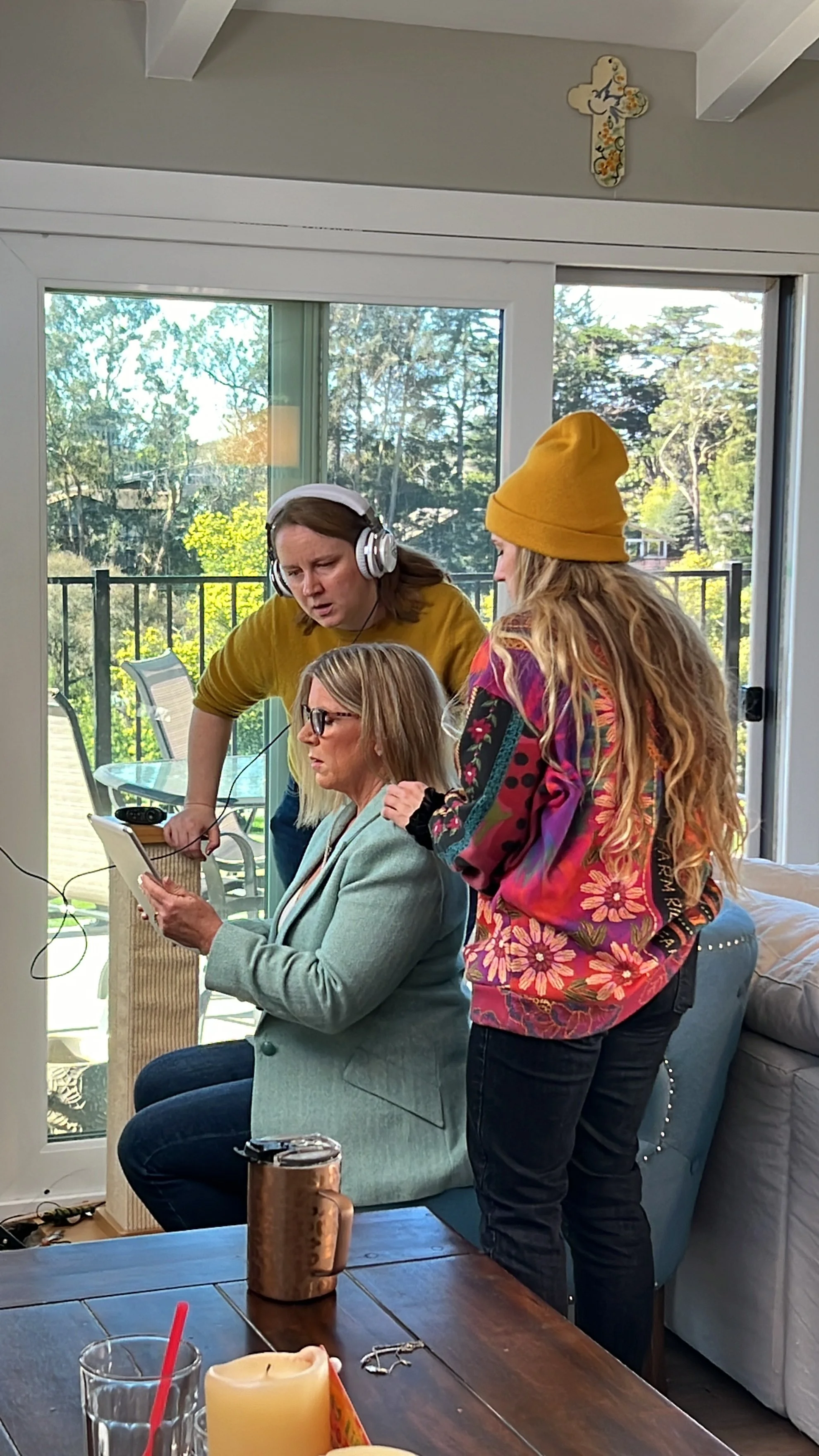
One of the most overlooked parts of documentary-style video production is interview preparation.
Strong interviews usually aren’t about memorizing perfect talking points or sounding polished. They’re about creating an environment where people feel comfortable enough to communicate honestly and naturally.
That process often starts long before production day itself through conversations, emotional context gathering, story development, and understanding the larger purpose behind the project.
The result is usually a conversation that feels more human and less performative.
And honestly, that’s often where the real story lives.
The Most Meaningful Moments Usually Aren’t Planned
Some of the strongest storytelling moments are rarely the ones carefully written into a production schedule.
They’re the nervous breath before someone walks on set.
The laughter after an interview wraps.
The emotional reaction sitting quietly as an onlooker.
The unscripted interaction between key players on shoots.
The small moment that suddenly reveals something honest about a person or organization.
Capturing those moments requires more than technical execution.
It requires observation, emotional awareness, adaptability, and understanding what moments are actually worth paying attention to.
That’s a huge part of strategic video storytelling that often gets overlooked.
Thoughtful Video Production Should Support the Bigger Picture

We approach projects thinking beyond a single final edit.
A thoughtful production process can support fundraising campaigns, donor communication, speaker visibility, recruitment, public awareness, long-term brand positioning, and organizational credibility long after filming wraps.
The goal isn’t simply to produce content for the sake of content.
It’s to create storytelling that continues working long after the shoot day is over.
Especially for mission-driven organizations, nonprofits, and public-facing brands, strong communication strategy matters just as much as production quality itself.
Because production is not the beginning of the storytelling process.
It’s the execution phase of decisions that were already shaping the narrative long before the camera arrived.
like this post? check out more like it!

MEET BERNADETTE
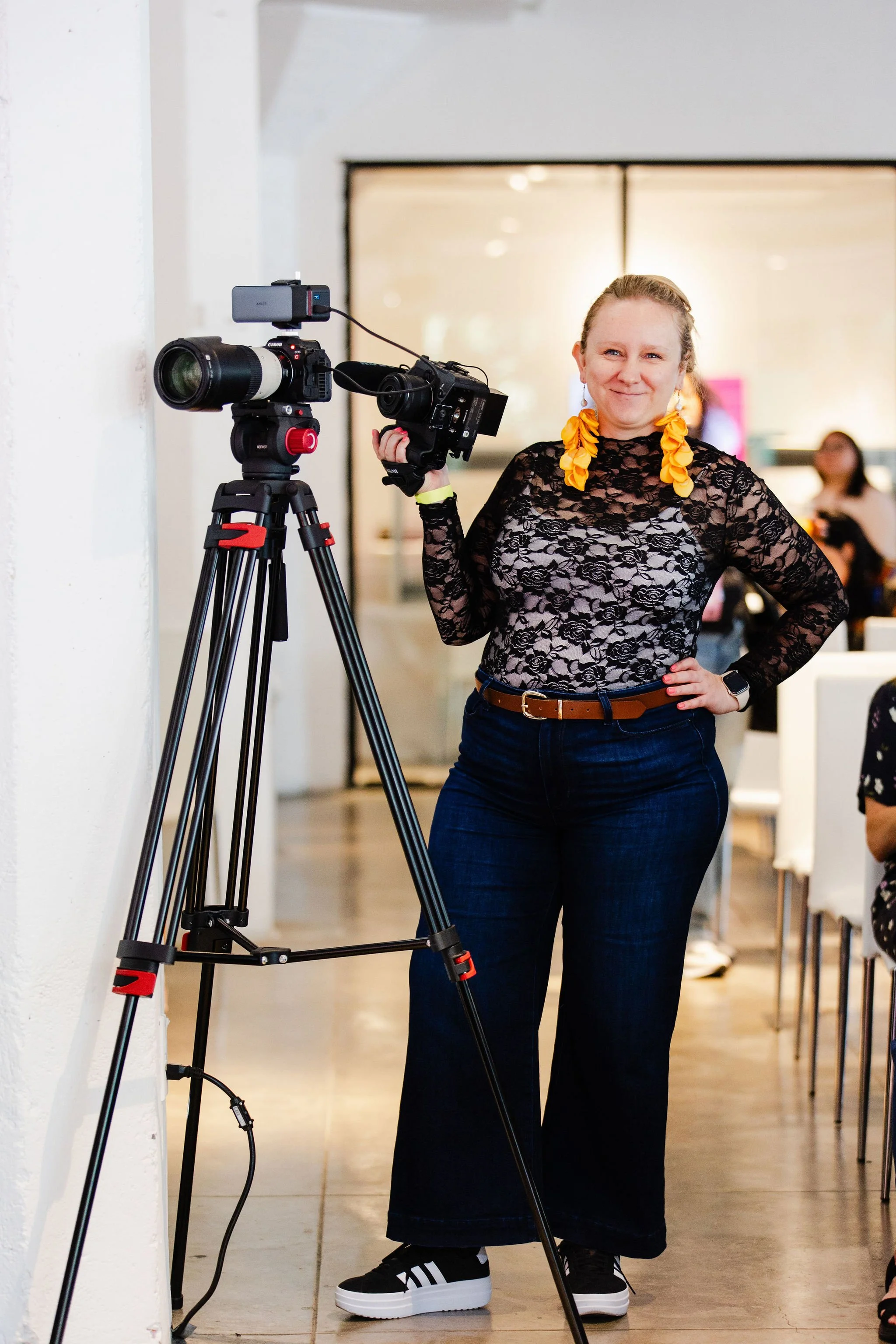
Hi! I'm Bernadette Marciniak, founder of Solhaus Media, specializing in strategic photo and video production for purpose-driven organizations, brands, authors, speakers, business owners, and non-profits.
With roots in journalism and marketing, I help mission-focused leaders turn their work into powerful, story-driven media that builds trust, inspires donors, and drives impact. From event coverage to brand storytelling, I bring both a journalist's eye for narrative and a strategist's understanding of how content actually gets used.
When I'm not behind the camera, I'm a cat mom of two who loves good pizza, red wine, and way too many true crime documentaries.
Based in Los Angeles, the SF Bay Area, New York, and New Jersey. Working nationwide.

Strong storytelling rarely begins on production day. It starts much earlier — in the conversations, emotional clarity, strategic thinking, and human understanding that shape how organizations communicate their work. Here’s why thoughtful video production is about far more than cinematic visuals alone.