
How to Prepare for a Business Photoshoot (For Organizations & Teams)

Business photography isn't just about individual portraits.
For organizations, companies, and nonprofits, a photoshoot represents brand credibility, public perception, internal culture, and external trust.
Which is why preparation isn't about posing. It's about alignment.
Many organizations invest in professional business and corporate photography to create images that work across their website, marketing, and internal communications.
Here's how to prepare for a business photoshoot in a way that supports your organization, your people, and your long-term marketing goals.
1. Clarify the purpose of the images
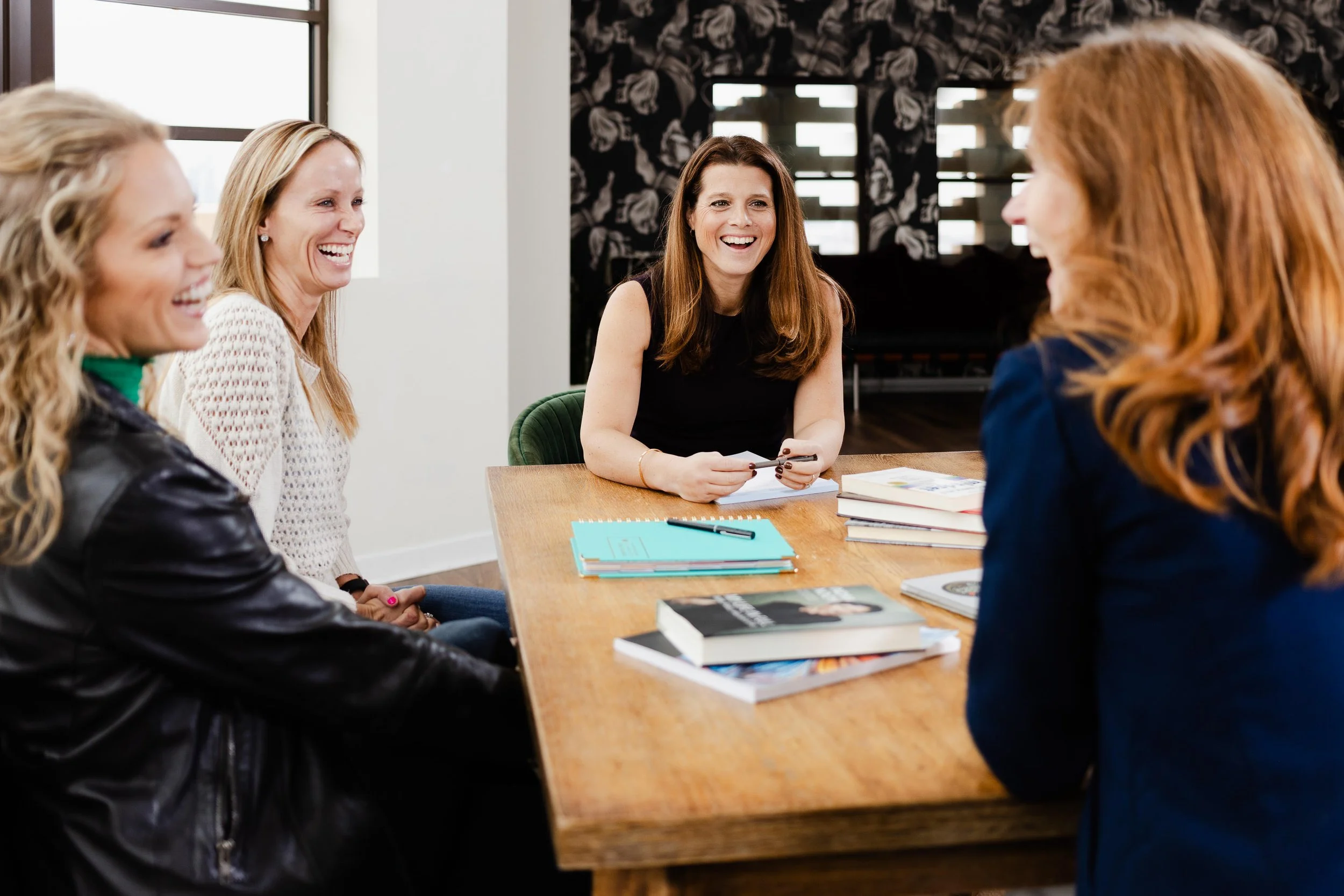
Before the shoot happens, get clear on what these images need to accomplish. This is the foundation of everything else.
Ask your team:
Where will these photos be used? Website homepage? Annual report? Social media campaigns? Press kits? Proposals? Internal communications? Each use case has different needs.
Who is the audience? Are you speaking to potential clients, funders, community members, recruits, or partners? The tone shifts depending on who you're trying to reach.
What should the images communicate about the organization? Innovation? Stability? Approachability? Expertise? Your photography should reinforce the qualities that matter most to your mission.
Clear intent allows the shoot to support strategy, not just aesthetics. When everyone understands the "why," the images have purpose beyond looking polished. They become tools that actually move your work forward.
2. Align on visual tone

Every organization has a visual personality, even if it hasn't been formally articulated yet. Your photography should reflect that personality consistently across all images.
This is especially important for companies planning a full corporate photography session that will be used across multiple platforms.
Consider where you fall on these spectrums:
Formal or conversational?
Traditional or modern?
Quietly confident or openly expressive?
Polished or grounded?
This tone matters more than any specific pose or setup. If your organization leads with warmth and accessibility, stiff boardroom portraits won't serve you. If you're positioning as a serious policy voice, overly casual imagery might undercut that authority.
Your photographer should understand this tone before the shoot begins. It shapes location choices, lighting, composition, and how they direct your team. Consistency across images builds trust. Mixed messages create confusion.
3. Prepare participants in advance
People perform better when they feel informed. Anxiety kills authenticity, and most people feel anxious when they don't know what to expect.
Let participants know ahead of time:
What the shoot is for and where images will appear
How long they'll be involved (and stick to that timeline)
What to wear, with specific examples if possible
Whether it's just portraits or if they'll be photographed working, collaborating, or interacting
This preparation reduces tension and increases cooperation. When people understand the context, they show up differently. They're more present, more relaxed, and more willing to trust the process. A quick email or brief meeting goes a long way.
4. Coordinate wardrobe thoughtfully
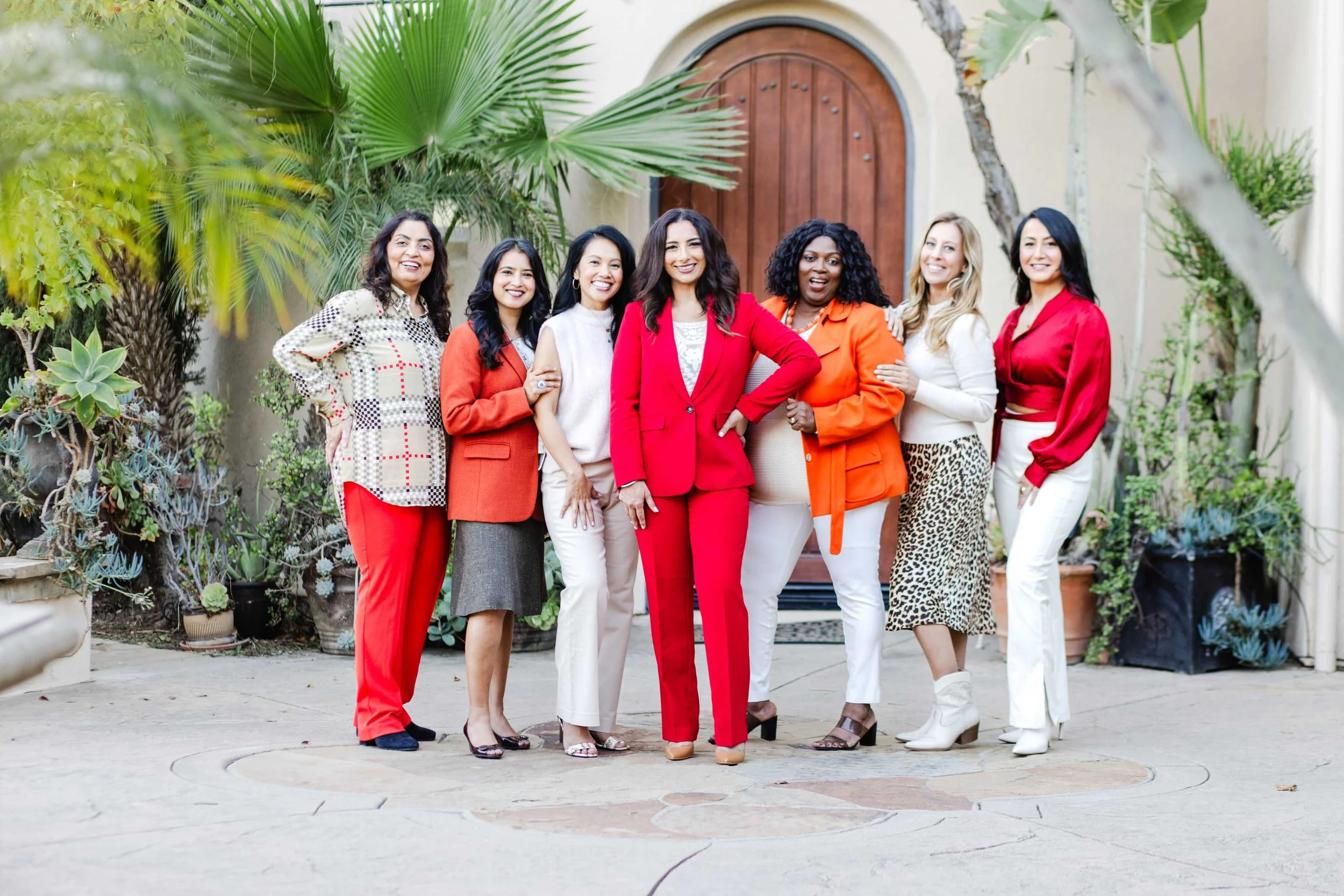
Wardrobe coordination isn't about making everyone look identical. It's about creating visual cohesion across your team so the images feel intentional, not random.
Encourage clothing that:
Matches your brand tone (professional doesn't have to mean formal)
Avoids lots of loud patterns, visible logos, or distracting details (one or two patterns is OK)
Feels natural to how your team actually dresses
Works visually when people are photographed together
If your brand palette is navy, gray, and cream, and someone shows up in bright red, that image won't fit with the rest. If everyone wears solid neutrals, you have more flexibility in how you use the images later.
Consistency matters more than uniformity. Your team doesn't need to match exactly, but they should look like they belong to the same organization. A little coordination upfront saves a lot of editing regret later.
5. Identify key moments to capture
Business photography for organizations goes far beyond headshots. The most powerful images show your work in context, not just your people in isolation.
Consider capturing:
Team collaboration in real work settings
Leadership interacting naturally with staff
Your actual work environments (offices, facilities, program spaces)
Program or service delivery in action
Client or community engagement, when appropriate and with proper consent

These moments give context to your organization's story. They show what you do, not just who you are. They make your marketing feel substantive instead of surface-level.
Talk to your photographer about what's possible within your timeline and setting. Not every shoot needs to capture everything, but thinking beyond portraits opens up storytelling opportunities that static headshots can't deliver.
6. Trust the process
Professional business photography isn't about forcing expressions or manufacturing moments. It's about creating space for people to show up naturally, even in professional corporate headshots that are often part of these sessions, helping teams look polished and approachable, and guiding them through the discomfort of being photographed.



Most people don't know what to do with their hands. They don't know where to look or how to stand. That's normal. That's expected.
A good photographer will guide:
Posture and body positioning that feels natural but photographs well
Where to direct energy and attention
How to interact with others in group shots
Pacing that keeps people comfortable and engaged
Your team's job is to show up and be present. The photographer's job is to handle everything else. When you trust that division of labor, the images reflect confidence instead of self-consciousness.
7. Think long-term

Strong business photography should serve your organization well beyond the immediate project that prompted the shoot. When you plan with longevity in mind, you maximize return on investment significantly.
These images can support:
Current marketing campaigns and website updates
Future initiatives you haven't launched yet
Press opportunities and media features
Presentations, pitch decks, and board reports
Recruiting materials and internal communications
Partnership proposals and grant applications
Investing in a library of versatile, high-quality images means you're not scrambling every time you need a photo. You have assets that work across contexts. That saves time, money, and the stress of last-minute requests.
Talk to your photographer about shooting with variety in mind. Different framings, multiple locations, various groupings of people. A little extra planning during the shoot creates exponentially more value afterward.
8. Remember: credibility comes from clarity
The goal is not perfection. The goal is trust.
When your images feel honest, professional, and aligned with who you actually are, your organization appears confident without trying to prove anything. People respond to that authenticity.
Polished matters, but so does real. You want images that represent your best self without feeling manufactured or distant. The organizations that inspire trust aren't the ones with the most perfect photography. They're the ones whose visuals match the substance of their work.
Clarity about who you are and what you stand for translates directly into how you show up on camera. When that alignment is there, your photography becomes a powerful extension of your brand.
Final thought
Business photography isn't about looking impressive.
It's about visually supporting the work your organization is already doing.
And when preparation is thoughtful, that support becomes powerful.
like this post? check out more like it!

MEET BERNADETTE
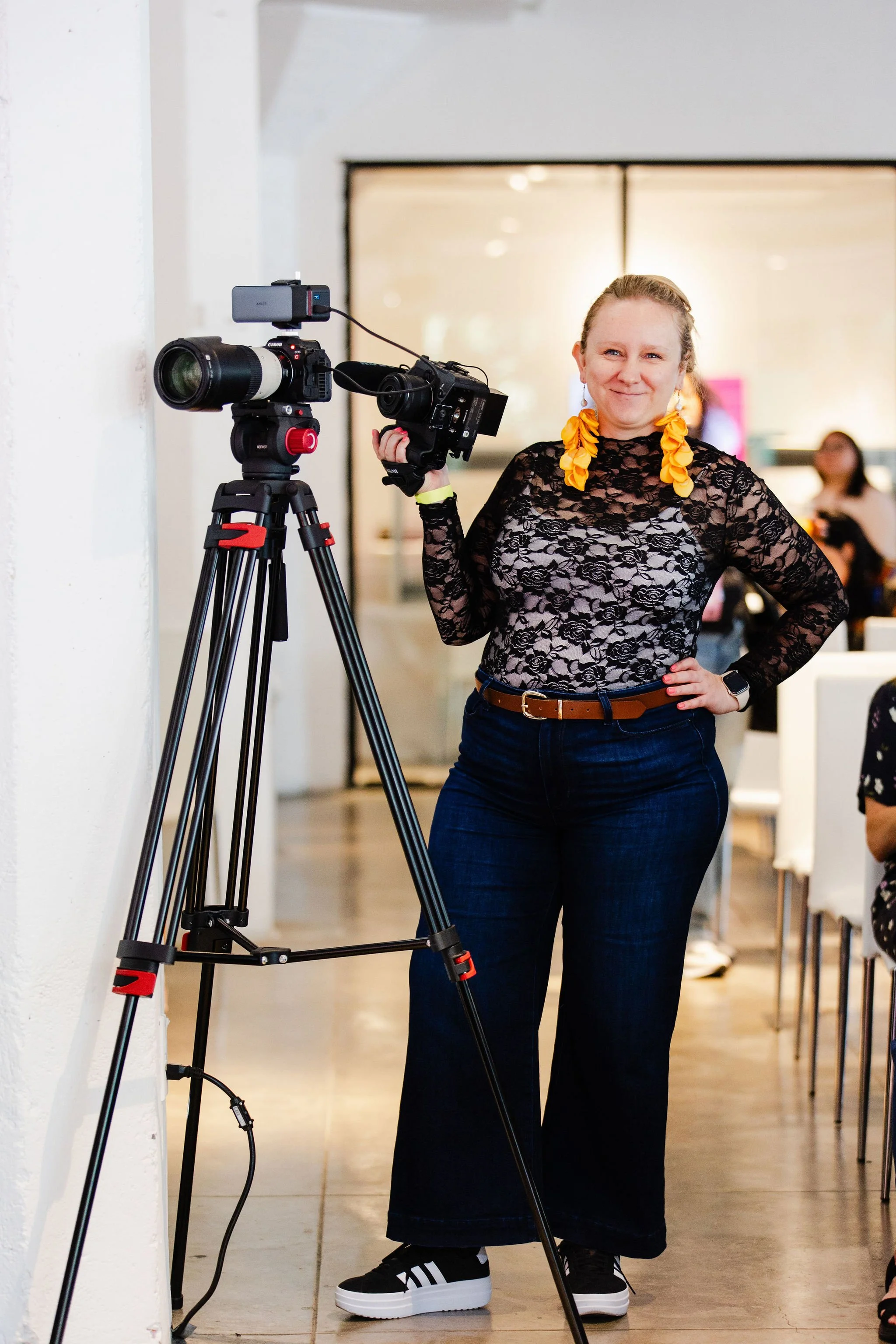
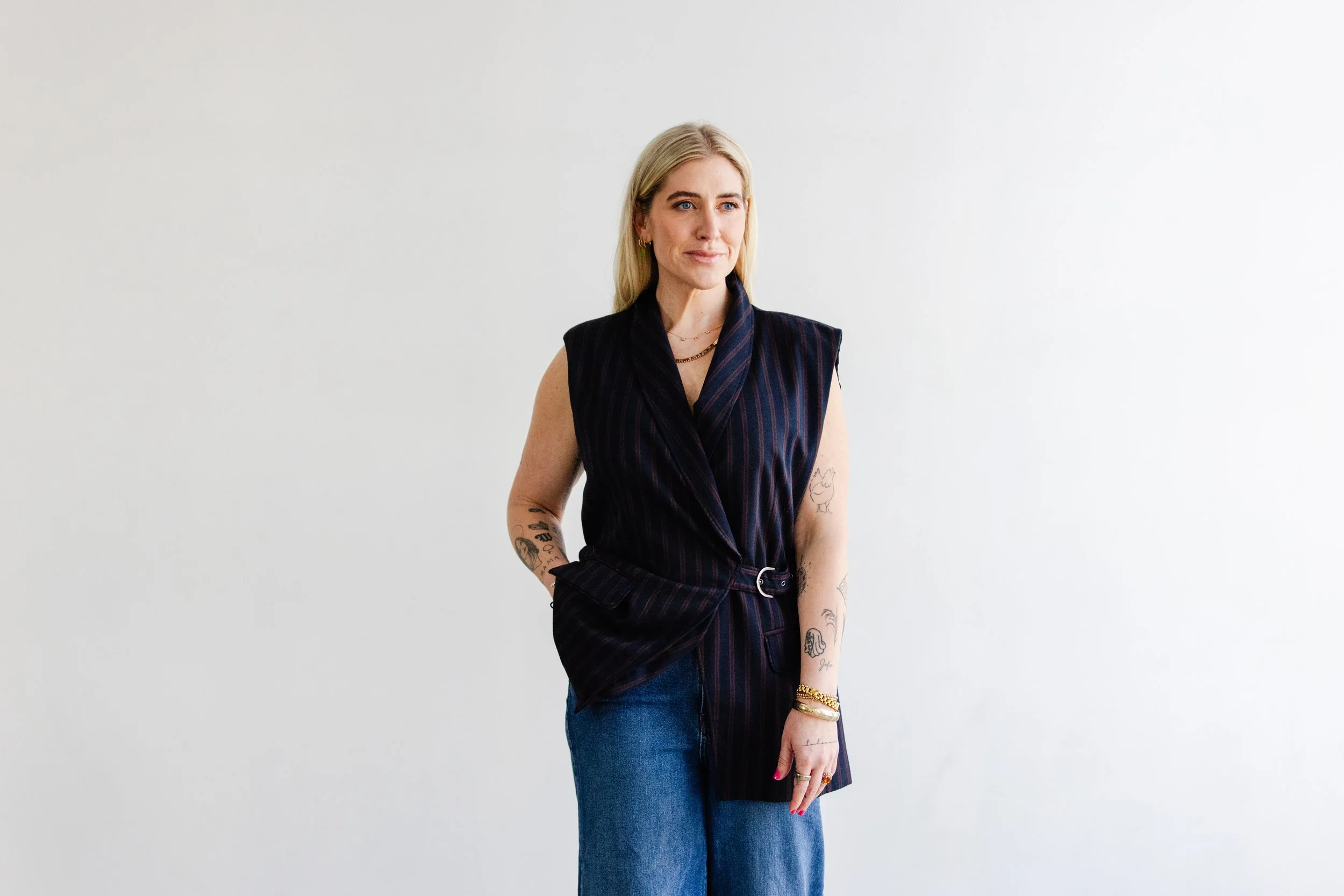
Hi! I'm Bernadette Marciniak, founder of Solhaus Media, specializing in strategic photo and video production for purpose-driven organizations, brands, and non-profits.
With roots in journalism and marketing, I help mission-focused leaders turn their work into powerful, story-driven media that builds trust, inspires donors, and drives impact. From event coverage to brand storytelling, I bring both a journalist's eye for narrative and a strategist's understanding of how content actually gets used.
When I'm not behind the camera, I'm a cat mom of two who loves good pizza, red wine, and way too many true crime documentaries.
Based in Los Angeles, the SF Bay Area, New York, and New Jersey. Working nationwide.

Strong storytelling rarely begins on production day. It starts much earlier — in the conversations, emotional clarity, strategic thinking, and human understanding that shape how organizations communicate their work. Here’s why thoughtful video production is about far more than cinematic visuals alone.